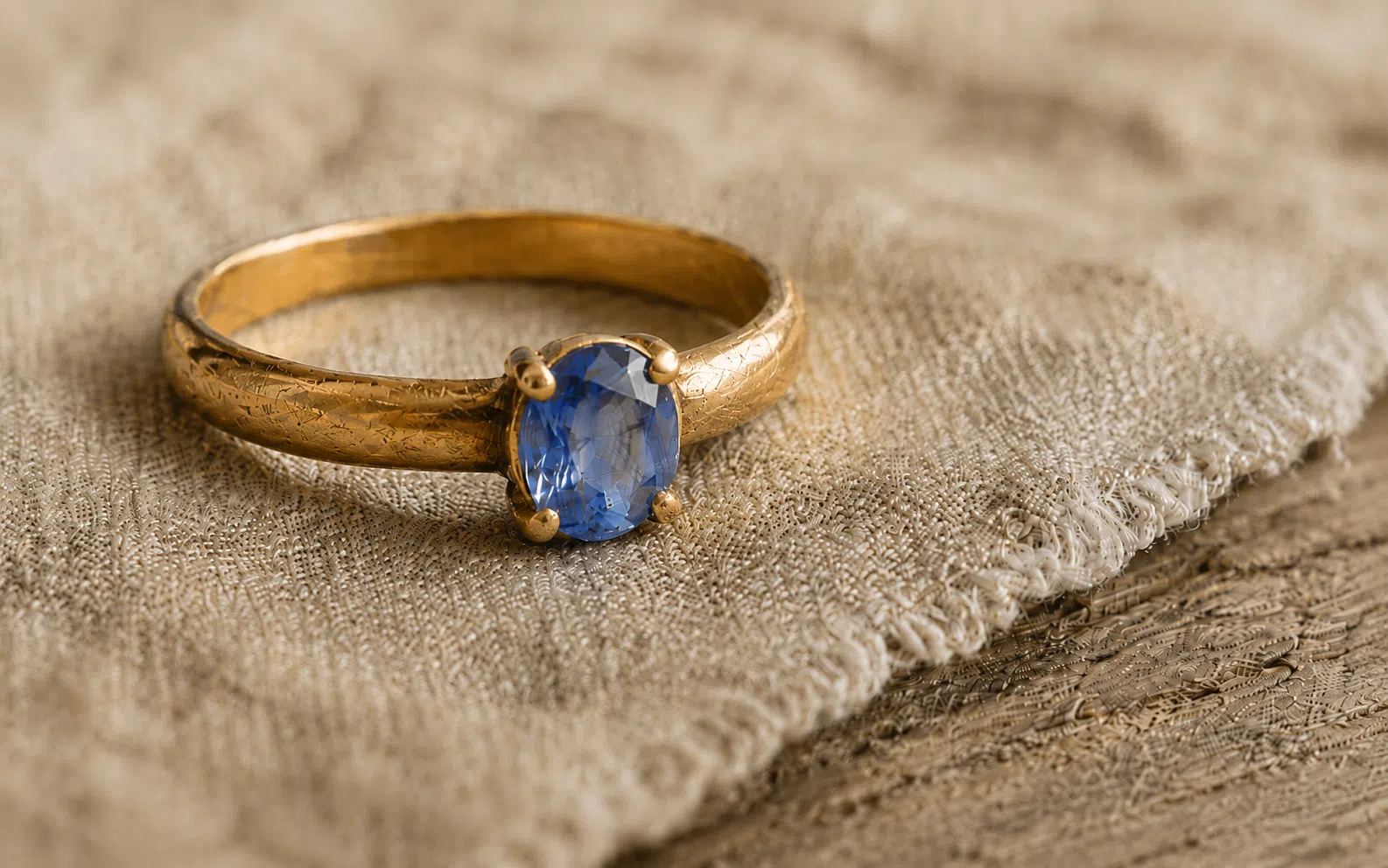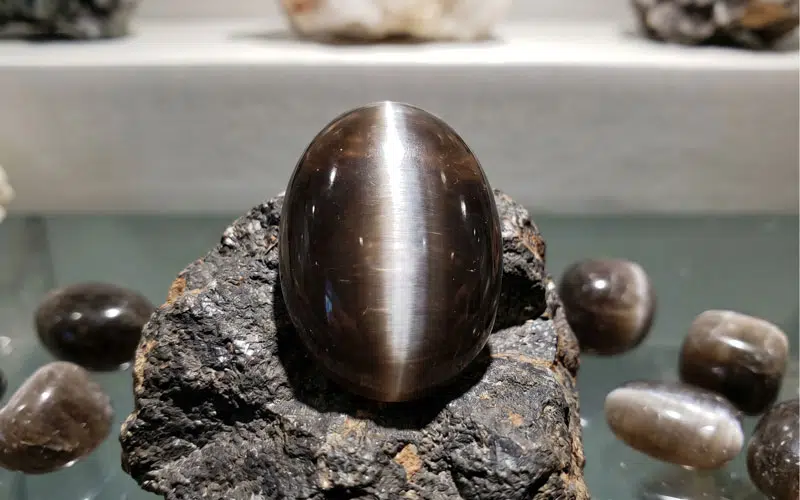
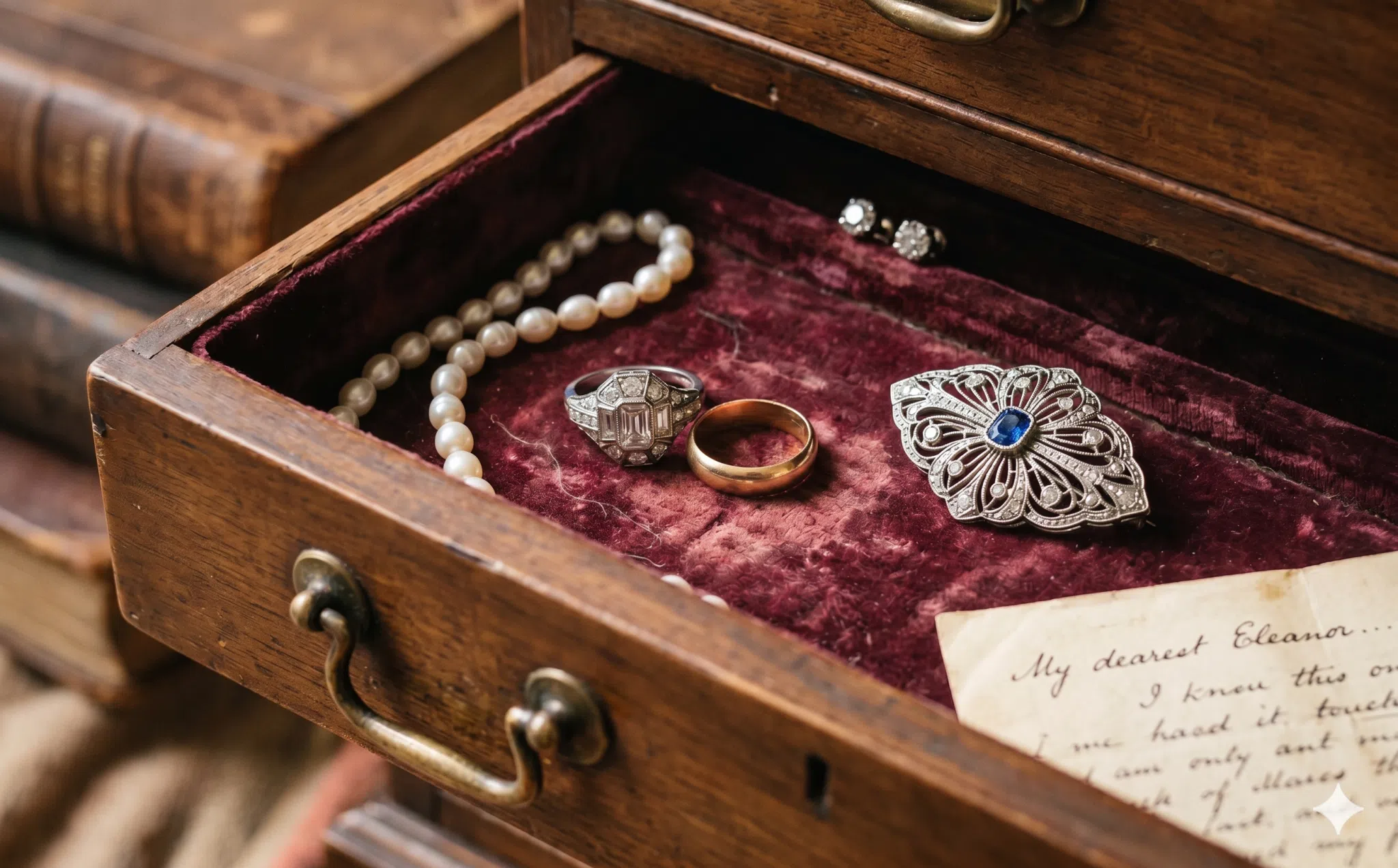
Inheriting fine jewelry is one of the most personal experiences many people will navigate. It is also one of the least well-prepared for. A piece may come to you in many ways: following the loss of a loved one, through an estate plan, as a gift while a parent or grandparent is still living, as part of a marital settlement, or through other family transitions. Whatever the path, the questions that follow are the same. What is this, what is it worth, and what is the right thing to do with it.
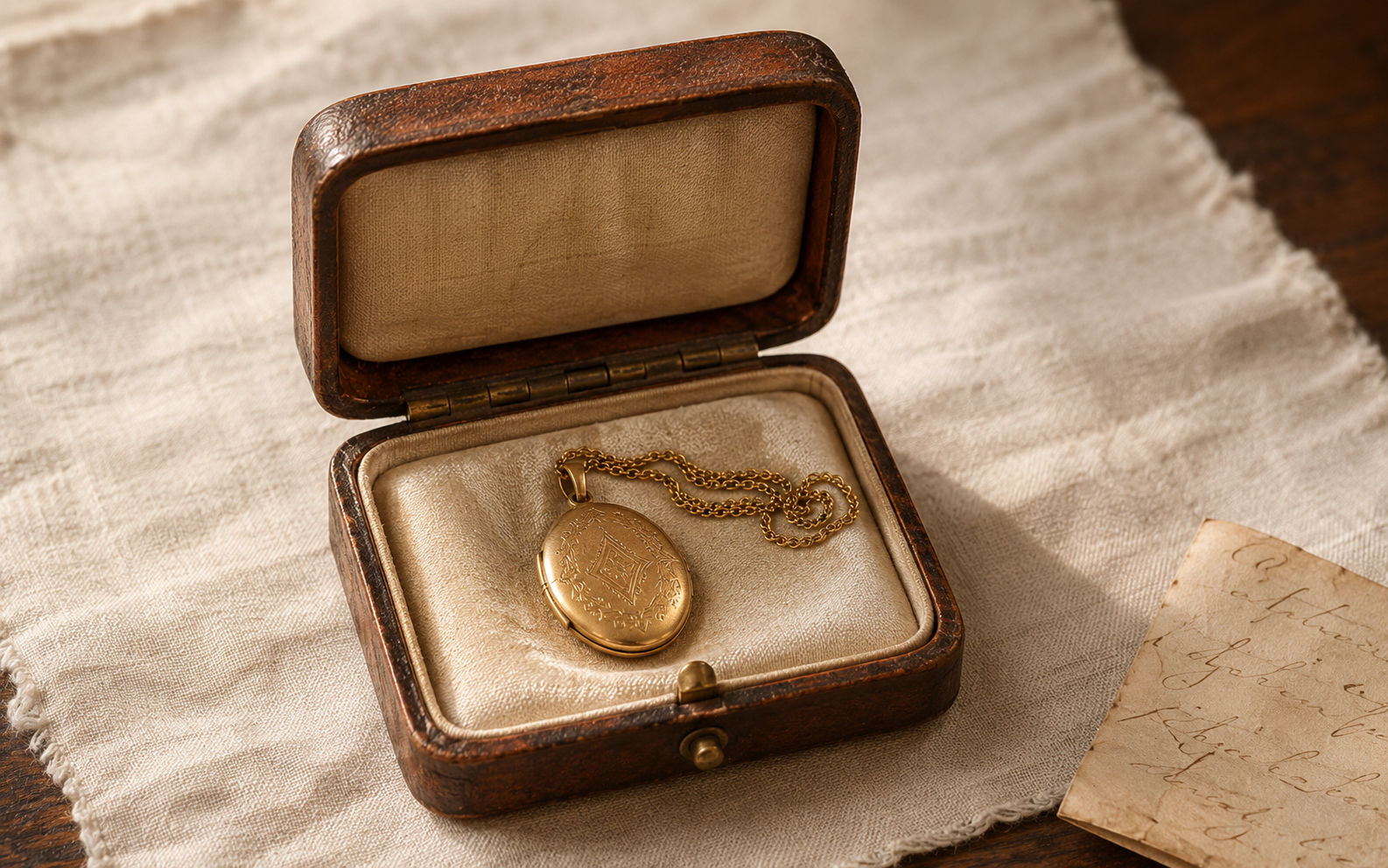
For many people, the moment begins quietly, with a drawer, a velvet box, or a safe deposit box that has not been opened in years. Inside are pieces that someone, at some point, chose to pass to you. A Fidelity study released in November 2025 surveyed American parents 55 and older with at least $500,000 in investable assets. It found that 68 percent have yet to share inheritance details with their children, and 52 percent have not discussed net worth. For jewelry, the documentation gap can feel even wider, since appraisals, receipts, lab reports, and family history often do not travel with the piece. Whatever documentation survives is usually decades old. Whatever appraisal survives reflects a market that has already changed. What follows is the ground between the drawer and the decision.
What’s Sitting in Drawers
The drawers add up. Bank of America Private Bank’s 2024 generational study found that hard assets like jewelry and heirlooms are only included in estate planning about half the time. Even families that have planned carefully for the financial side often have not planned for the pieces in the drawer. That gap sits inside a much larger one. Cerulli Associates projects approximately $124 trillion in wealth will transfer through 2048.
The jewelry-specific numbers carry their own weight. The U.S. jewelry market is large by any measure. Industry estimates range from the high tens of billions to more than $100 billion, depending on methodology. Diamond jewelry remains a major part of it. Generations of accumulated pieces are now reaching the inheritance pipeline.
Members of the trade and many consumers have been asking whether the jewelry industry is ready for this transfer. This piece asks a different question. Are the heirs ready?
What You’re Holding
For the heir holding the piece, everything begins with identification. What is this?
Decoding the Stamps
Hallmarks, also called stamps or maker’s marks, tell most of the metal story. 14K, 18K, and 24K mark karat gold. 14KGP and 14KGF (gold-plated, gold-filled) are not solid gold. 925 marks sterling silver. European stamps 750, 585, and 375 correspond to 18K, 14K, and 9K. Platinum carries its own marks. PT950, PT900, and PT850 indicate 95, 90, and 85 percent platinum content. PT950 is the international standard. PT900 and PT850 are also common, with PT850 often seen on platinum chains.
Stamps are clues, not proof. Worn, missing, or incorrect marks should be verified by testing. Common errors include misreading these marks, confusing cubic zirconia or moissanite for diamond, mistaking treated or lab-created gemstones for natural ones, and discarding pieces whose maker’s marks go unrecognized.
Age category matters. Pieces 100 years or older are formally antique, spanning Georgian through early Art Deco work. Pieces from roughly 1925 through 1975 are vintage. Newer pieces are modern estate. Each category has different valuation conventions and different collector markets.
Maker’s marks from prestigious historical houses, like Tiffany & Co., Cartier, Van Cleef & Arpels, and others, can multiply a piece’s value substantially. They are among the most overlooked value signals in inherited collections.
Stones the World Doesn’t Make Anymore
Once in a while, an inherited piece holds a stone the world will not see again. Diamond heirs occasionally find stones from the legendary Golconda mines of India, historic source of the Koh-i-Noor and the Hope, which produced the world’s earliest diamonds until depletion around 1830. Authentic Golconda stones are among the rarest diamonds ever cut. Other historic sources carry similar weight. These include Burmese rubies from Mogok, Kashmir sapphires, essentially depleted since the 1920s, and Muzo emeralds from Colombia’s historically richest veins. California’s tourmaline operations in San Diego County and the spessartine garnet workings near Ramona are now virtually depleted. Benitoite, found only in San Benito County, appears in some heirloom pieces. Origin verification on any of these is specialized laboratory work. These cases are rare, but when they occur, origin can materially affect value.
When Eyes Are Not Enough
On newer pieces, lab-grown identification matters. Lab-grown share of U.S. engagement-ring sales rose from 1.7 percent in early 2020 to 17.3 percent in February 2023, according to diamond analyst Edahn Golan. Visual examination alone cannot reliably distinguish many laboratory-grown diamonds from natural diamonds, and modern moissanite can also look diamond-like to consumers. Proper identification matters because natural, laboratory-grown, treated, and simulant stones can carry very different market values.
Before the Appraiser
Before any appraiser visit, one practical caution applies. Resist the impulse to clean, polish, or restore a piece before identification. Over-restoration permanently reduces collector value, and the appraiser needs to see the piece as it actually is. The first step, then, is to bring the piece to a qualified gemological appraiser, someone with formal training and credentials in stone identification and valuation. Ideally, the first opinion should come from an independent appraiser or laboratory that is not simultaneously making an offer to buy the piece. IGI’s laboratories accept submissions for diamonds, colored gemstones, and finished jewelry, including directly from consumers, not only through trade channels. Photographs and online comparison tools are not substitutes.
What a Piece Is Actually Worth
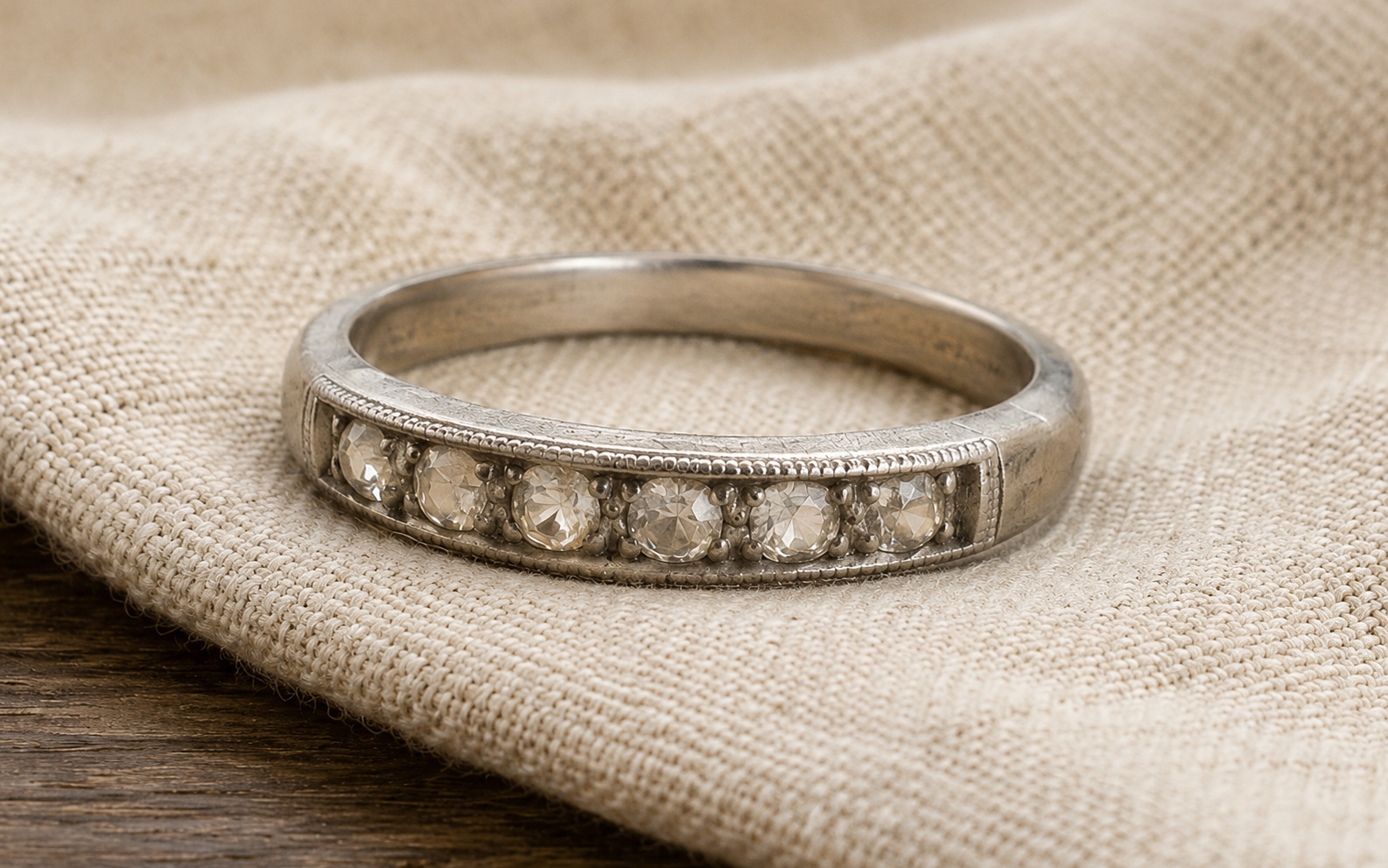
Once a piece is identified, it must be documented. Most heirs encounter inherited jewelry with exactly one piece of paper, an old insurance appraisal, sometimes from the 1980s. The number on it is rarely what they will get if they sell, and rarely matches what the IRS will recognize for any tax purpose. It is common to discover that an old insurance appraisal in the safe deposit box bears almost no relationship to what the piece is worth today, in either direction.
Four Values, Four Questions
Professional appraisal practice recognizes four distinct values, and which one matters depends on the question being asked.
Retail Replacement Value sits at the top: what it would cost to replace the piece at retail today. This is the number insurance policies require, and it is typically the first one heirs encounter.
Fair Market Value is what a similar pre-owned piece would sell for between willing buyer and seller. This is the value the IRS uses for estate tax and equitable distribution.
Marketable Cash Value, also called liquidation value, is what a wholesale or buyback channel will actually pay. For most heirs, this is the realistic sale number.
Intrinsic or Scrap Value is the floor. It counts raw materials only, melt gold plus loose stones, with no credit for design, condition, signature, or rarity.
Pieces older than the 1970s often have no modern lab certification at all. That is not a defect. It is the norm for the era. A current professional appraisal becomes the technical baseline. A current grading report, like those issued by IGI’s Jewelry Reports, establishes the gemological facts on which any valuation rests.
When History Adds Value
Pieces with documented provenance carry their history as part of their value. Letters, photographs in earlier wear, original receipts, and original presentation boxes all strengthen the piece’s record.
When this evidence exists, gather it before the appraiser visit. Even partial provenance helps. A single dated photograph, a maker’s box, or the piece’s appearance in family records strengthens the record. When such evidence does not exist, identification work alone establishes baseline value, and the inheritance line begins fresh with the heir.
Why the Date Matters
For inherited jewelry, timing matters. In the United States, inherited property generally receives a tax basis tied to fair market value at the applicable estate valuation date (under IRC §1014), unless an alternate valuation or other special rule applies. Even when no federal estate-tax return is required, a timely appraisal can help support later sale records. An appraisal prepared close to the relevant valuation date is stronger than trying to rebuild the record years later.
IGI’s professional jewelry appraisal services, available in the U.S., cover insurance, estate tax, equitable distribution, and financial documentation needs. For eligible diamonds, the IGI Digital Diamond Certificate (DDC) can provide a blockchain-backed record associated with the grading or audit report.
Not every transfer follows the same rule. Living gifts, divorce-related transfers, trust distributions, non-U.S. estates, and cross-border family situations can be treated differently. Rules also vary by country, state, and local law. Before selling, donating, transferring, or reporting inherited jewelry, readers should consult a qualified tax or legal professional.
The Decision
Once a piece is identified and documented, the heir reaches the decision point. Several paths are common, and they are not mutually exclusive.
Keeping a piece is the most common choice, often made without enough information. Heirs who keep without understanding current value, condition, or insurance requirements tend to discover issues later. Selling delivers liquidity, but the sale value depends on the piece. Many ordinary pieces sell well below retail replacement value, while signed, rare, antique, or well-documented pieces may do better. The gap between replacement value and sale value is one of the most misjudged numbers in inherited jewelry. Repurposing means resetting stones, redesigning settings, or gifting forward. It preserves underlying value while creating something the heir will actually wear. Charitable donation can be an option for some inherited pieces, but it should be handled carefully. The donor may need a current appraisal, written records, and tax guidance before claiming any deduction.
What Comes Next
Whichever path the heir takes, the transition deserves the same care as identification and documentation.
If keeping a piece, check the insurance before it goes back in the drawer. Many U.S. homeowners and renters policies cover jewelry only up to a small sublimit, often around $1,000 to $2,500 for theft. A meaningful inherited piece can pass that limit quickly. Without added coverage, the heir may be underinsured without knowing it. A current appraisal helps document the amount of coverage needed, whether the piece is added to an existing policy or covered under a separate jewelry policy.
Care matters too. Pearls, coral, ivory, and other organic materials need a different kind of care. Dry storage, heat, perfume, alcohol, and abrasion can affect them. Pearl strands may also need restringing over time.
If selling, start by checking who is buying. A buyer should have the proper license or registration where required, and should give the seller a written purchase record. Keep that record with the appraisal and any lab report. Without a license, receipt, or clear paper trail, issues are harder to fix later. The piece itself should guide the sale. Significant pieces, signed designers, and large stones often belong at auction. Recognizable designers and mid-range estate pieces may fit private sale. Mainstream items, melt-grade gold, and smaller stones usually fit licensed buyers or established online buyback channels.
If the piece stays in the family, the paperwork should stay with it. Receipts, original appraisals, lab reports, and photographs in earlier wear are the paper trail that future heirs will need. For eligible pieces with an IGI report and proper inscription or engraving, IGI’s Registration & Recovery service, available in the U.S., can add another layer of recordkeeping for loss, theft, or damage reporting. Documentation that travels with a piece preserves both the value and the story. It is how a family keeps the inheritance whole across generations.
In two decades working with consumers, three patterns appear again and again: pieces no one has identified, values no one has documented, and paper trails that thin out across generations. Identification, documentation, decision, and thoughtful transition are how those patterns break. The drawer that opened this article holds whatever the family chose to put there. What comes out of it can be more than what went in.
Sources
- Fidelity Investments, 2025 Family & Finance Study (Versta Research, July–August 2025; released November 13, 2025). Sample population: US parents age 55 and older with $500,000 or more in investable assets, and adult children ages 25 to 54.
- Bank of America Private Bank, Generational Divide Among Wealthy Americans, 2024.
- Cerulli Associates, “Cerulli Anticipates $124 Trillion in Wealth Will Transfer Through 2048”, June 2025 update.
- Edahn Golan, industry diamond analyst — lab-grown engagement-ring share data, early 2020 through February 2023.
- Standard professional appraisal practice — four-value framework: Retail Replacement Value, Fair Market Value, Marketable Cash / Liquidation Value, and Intrinsic / Scrap Value.
- Internal Revenue Code §1014 (basis of property acquired from a decedent); IRS Form 8283 (substantiation rules for charitable contributions over $5,000); IRS Publication 526 (charitable contribution rules, including unrelated-use limitations on tangible personal property); IRS Publication 551 (basis of assets, including alternate valuation election under IRC §2032).
- FTC Jewelry Guides, 16 CFR Part 23 — truthful representation and disclosure of gemstone type, treatment, origin, and production.